
Background
Maritime safety training has long relied on traditional eLearning or attendance at specialist simulator centres — neither of which fits easily around the demanding, seven-day operational schedules crews work at sea. Enclosed-space accidents in particular remain one of shipping's most persistent safety challenges despite tighter regulation and procedural controls, with industry body InterManager continuing to report fatalities year on year.
The deployment
Mintra, a provider of digital learning and workforce-management software for safety-critical industries, has launched an immersive learning capability that places seafarers inside operational scenarios rather than asking them to simply consume information. The capability was piloted with crews from Bernhard Schulte Shipmanagement (BSM), whose seafarers tested the simulations onboard and reported that the scenarios "felt real" and prompted them to think through decisions before acting.
How it works
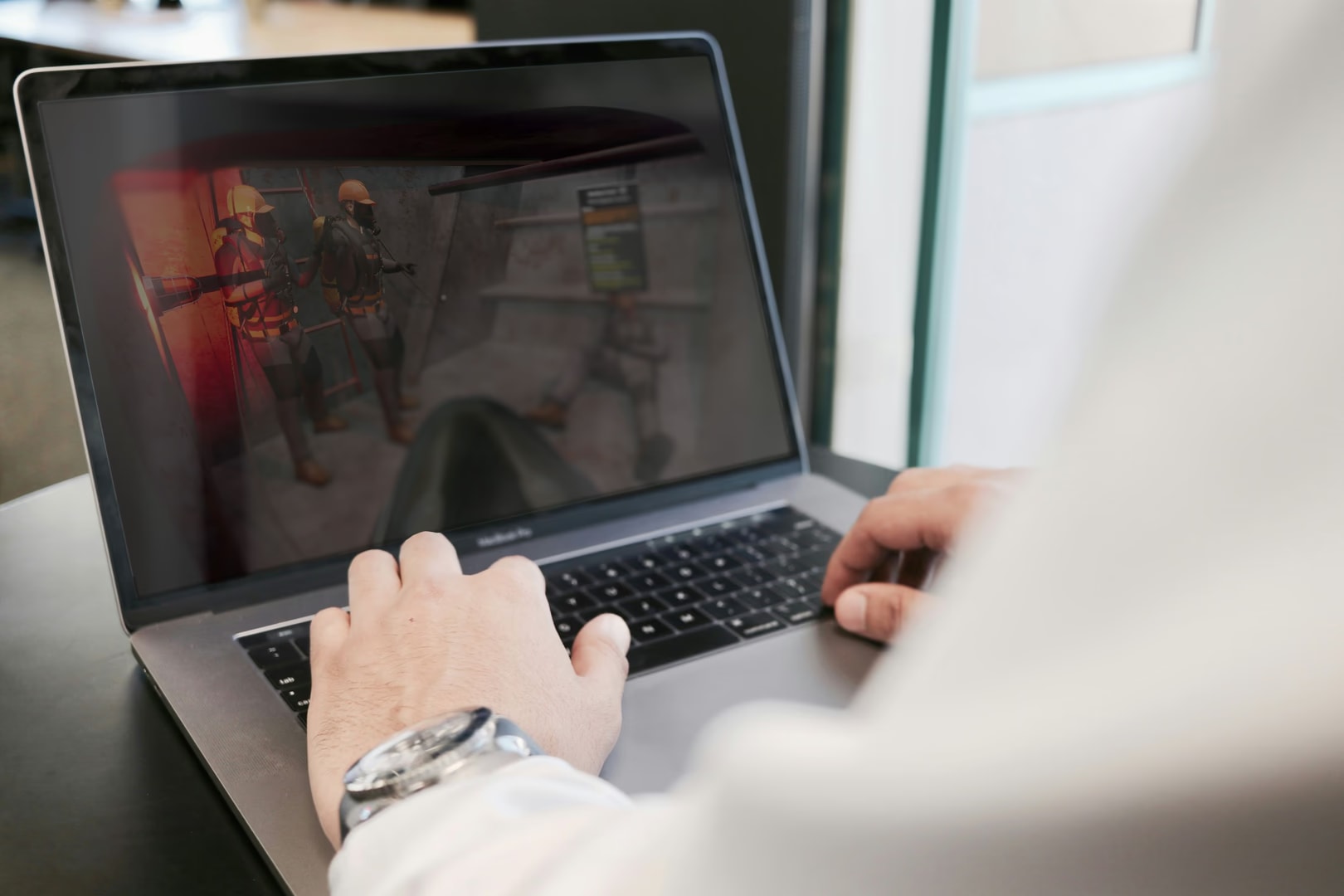
The simulations use real-time 3D technology built on Unreal Engine and run on a vessel's existing onboard PC, or on a crew member's personal PC via an app downloaded from the Microsoft Store. Crucially, the solution needs no VR headset and no visit to a simulator centre — removing the cost and access barriers that usually limit practical, hands-on training at sea. Because the content is standardised globally, operators can deliver consistent training regardless of vessel location, trading route or crew rotation.
The courses
The first two courses are Incident Investigation (MGM-013) and Enclosed Space Entry and Rescue (MGM-205). Incident Investigation drops seafarers into a developing maritime incident, requiring them to assess risk, interpret the situation and make operational decisions as events unfold. Enclosed Space Entry and Rescue replicates the authentic workflows, pressure points and consequences seen in real enclosed-space incidents — including assessing the situation, using the correct PPE and following protocols before entering a confined space.
Outcomes and measurement
Early pilot feedback pointed to stronger engagement, safety awareness and knowledge retention, with the large majority of participants rating the learning-by-doing approach useful and realistic. After each simulation, learners receive a performance report to support self-reflection, while fleet managers can access aggregated data to spot trends, knowledge gaps and signs of complacency across vessels, fleets and ranks — shifting the emphasis from compliance-led to competency-led safety improvement.

