


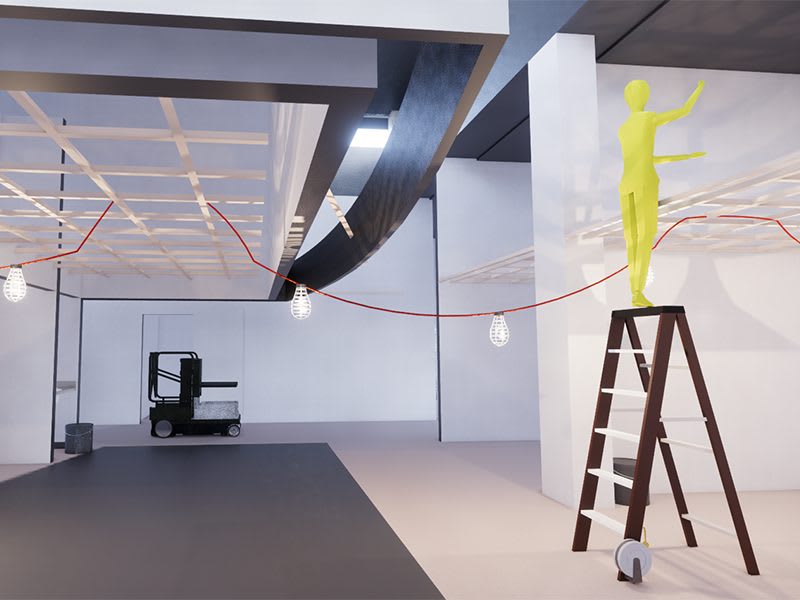
CG Schmidt uses navigable 3D building models and virtual reality to teach construction employees to recognise jobsite hazards before encountering them in the field. The Wisconsin contractor combines its building information modelling capability with safety training, allowing the content to be adapted to particular sites and risks.
In an exercise described by safety manager Josh Schmitz in October 2020, project management staff explored a virtual project and listed the hazards they found. Comparing their answers exposed experience-dependent blind spots: staff accustomed to hospital refurbishment, for example, missed rooftop fall-protection issues. The resulting discussion helped the team identify hazards, consider controls and direct subsequent training.
The company’s dedicated virtual design and construction service page continues to describe safety training through 3D or VR navigation. CG Schmidt contributors also presented safety-model workflows at Autodesk University in 2019, covering interior, exterior and roof hazards, including ladders, access, housekeeping and protective equipment.
The reported benefit is improved visibility of knowledge gaps and a way to practise hazard identification safely.

