


Background
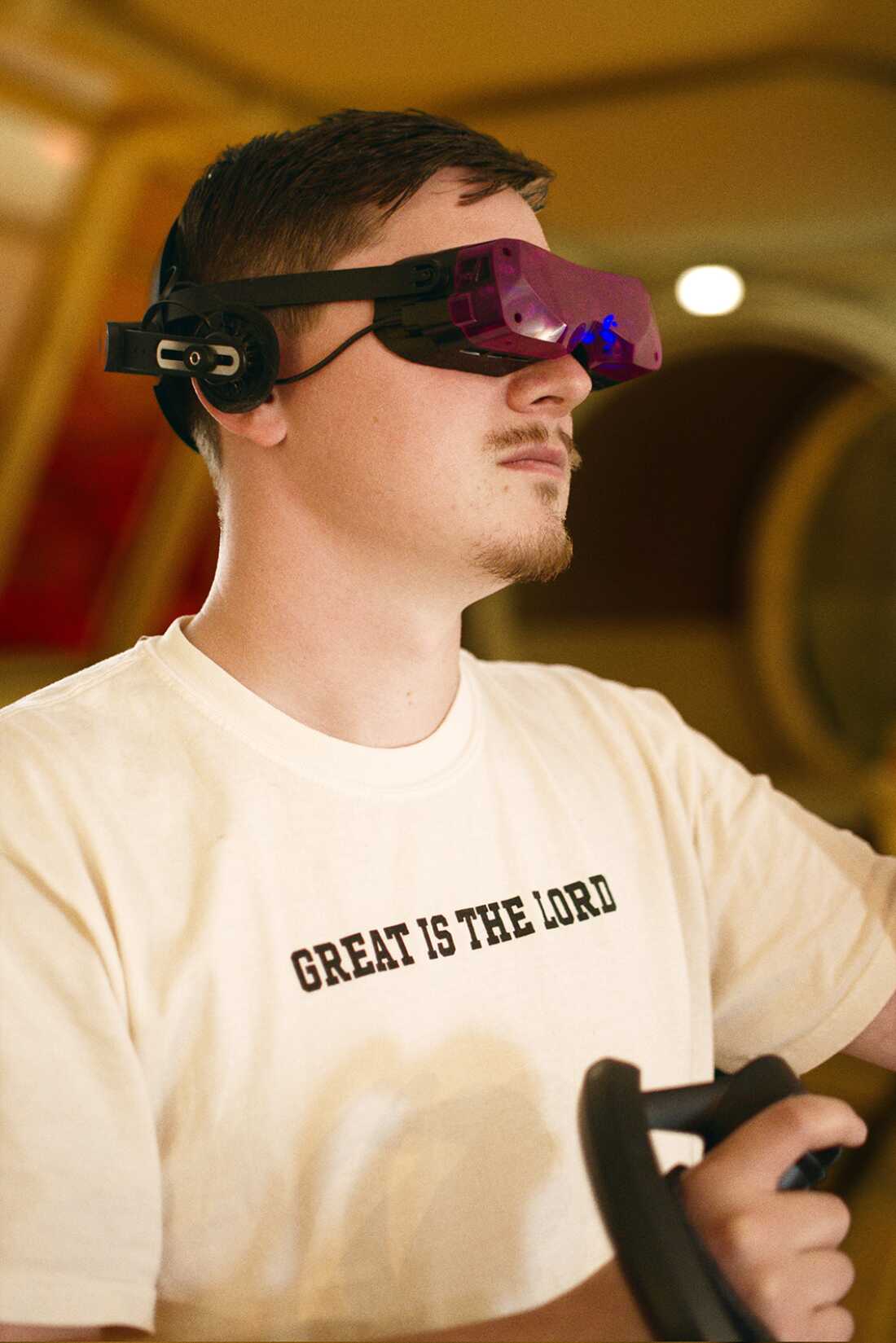
Cru, the evangelical organization founded in 1951 as Campus Crusade for Christ, has traditionally focused on evangelism and discipleship among college students and other young people. In recent years the Orlando-based ministry has extended its outreach into video games and, since around 2023, into virtual reality. Its digital strategist, Frank Kuligowski, led the move to equip missionaries with VR headsets and work inside VRChat, a social platform where millions of users worldwide interact through avatars across thousands of user-created virtual worlds.
How the weekly outreach works
Every Friday, a group of missionaries — about ten at a recent session — gathers in a private VRChat world to pray before heading out. Choosing which public world to enter is, in Kuligowski's telling, an art of its own: around 20 users is the sweet spot, enough activity without chaos. Once inside, the missionaries split up, seek out small groups chatting in quieter corners, and open conversations casually — complimenting an avatar, for instance — before gradually turning to questions of faith.
In one encounter recounted by Kuligowski, a conversation with a woman from China who wished she could attend church led to a visit to a virtual church, then a virtual church service, and ultimately a connection with a real-life campus ministry.
The team spans a wide range of familiarity with the platform:
- Geoffery Powell, a 28-year-old multimedia artist and computer scientist with thousands of hours in VRChat, helped Cru members navigate the platform in the group's early days and remains its resident technical expert.
- Curt Curtis, a Texas missionary in his 60s, rarely uses the platform outside of evangelization.
- Stewart Freeman, a former VRChat regular, joined Cru's Jesus Film Project in Orlando after his own conversion in the platform.
A ministry podcast appearance in late 2024 indicates the team's digital outreach also extends to Roblox.
From VRChat user to full-time missionary
Freeman's story illustrates the ministry's model of meeting people where they are. After a six-year relationship ended, he spent his nights in VRChat — logging more than 10,000 hours — until Jason Poling, a California pastor from Cornerstone Church, began visiting his private VRChat home world every week to read the Bible with him. Freeman, quoted below, later sold his business and moved to Orlando to help other people in VR find God.
Reception
The missionaries' presence is not universally welcomed. A thread in the VRChat subreddit questioning the influx of Christians drew nearly 200 comments, with some users concerned that missionaries could bring anti-LGBTQ+ views into a platform known for embracing diverse gender identities. Heidi Campbell, a Texas A&M University professor who studies digital religion, traces such efforts back to the 1990s, when the Billy Graham Foundation trained Christians to start conversations in online chat rooms, and notes a common criticism that missionaries should adapt to an online space's existing culture rather than try to change it.


