

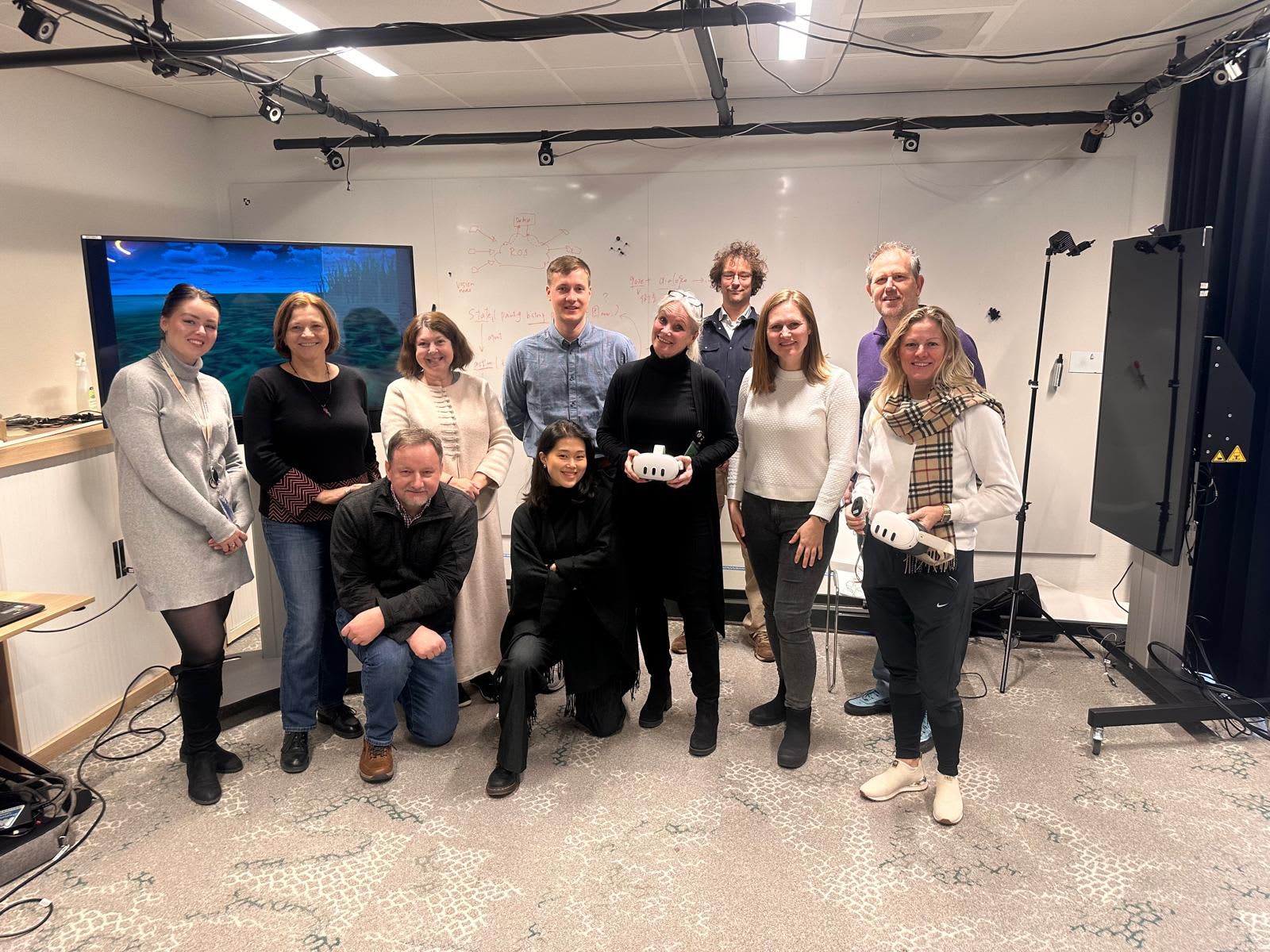
EuroHockey representatives tested the BESST 2.0 virtual reality safeguarding tool at the European Volleyball Confederation’s premises in Luxembourg, as reported in June 2026. The experience places users inside sporting situations involving psychological boundary crossing. Athletes and coaches are encouraged to recognise and reflect on unsafe behaviour, including ambiguous cases that can be normalised in sporting culture.
University of Twente contributes immersive-technology and educational scenario design expertise. Its related research describes 360-degree filmed sporting scenarios experienced from athlete, coach and bystander perspectives. The Luxembourg session combined first-hand testing and feedback with a safe-sport masterclass.
BESST 2.0 is funded through Erasmus+ and coordinated by European Olympic Academies. The wider consortium includes IGNITX, EuroHockey, CEV, Jiu Jitsu European Union, the Slovenian Psychologists’ Association and Rudi Hiti Academy. By late summer 2026, IGNITX reported delivering the same programme’s VR safe-sport experience at the Mediterranean Games in Taranto. That is a subsequent consortium activation, not evidence of a completed EuroHockey-wide rollout.

