


Background
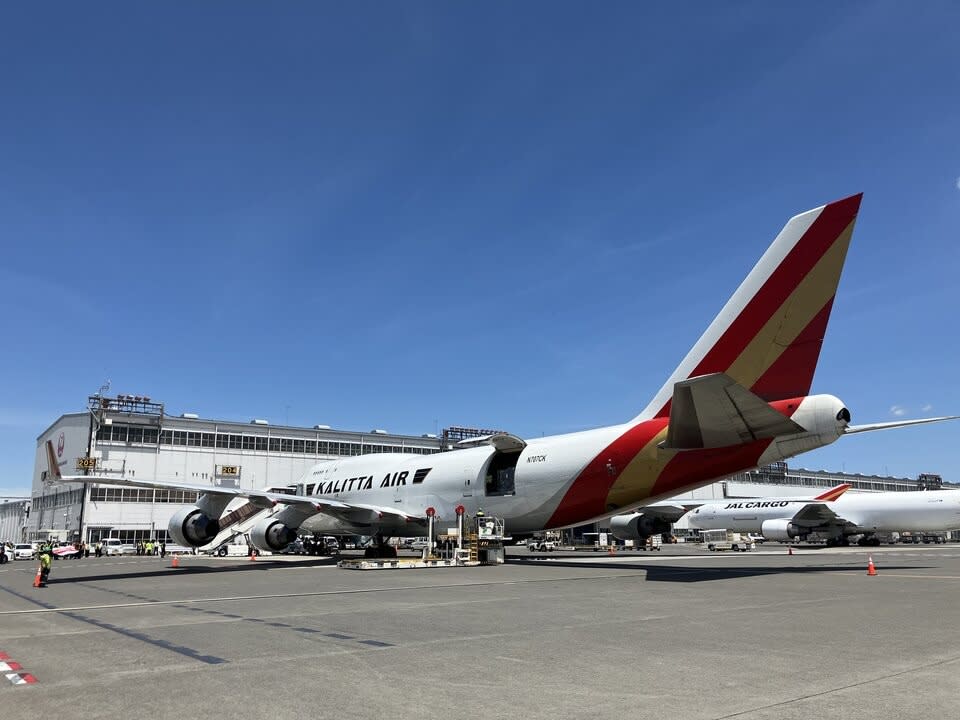
Kalitta Air is a Michigan-registered cargo airline that began service in November 2000 with three Boeing 747s and has since grown to a fleet of more than 25 freighters, made up of Boeing 777 and 747-400 aircraft. Type training for its 777 pilots and maintenance technicians has traditionally depended on scarce full-flight simulator slots and on access to a parked aircraft, both of which are expensive and difficult to schedule around a freight operation.
The deployment
In July 2026 the airline adopted FlightDeckToGo, a virtual reality training platform built by Visionary Training Resources (VTR), across its Boeing 777 fleet. The agreement is unusual in covering two divisions at once: it serves both Flight Operations and Maintenance, rather than the single pilot-training use most airline VR rollouts start with.
Flight operations
Pilots work through a dimensionally accurate virtual 777 flight deck inside a headset, following guided in-headset instruction. The intent is that crews learn and rehearse procedures and flows before they occupy a simulator, arriving better prepared and progressing through training faster. The simulator time is not replaced — it is protected for the tasks that genuinely need it.
Maintenance training
Technicians use the same platform for virtual environments covering engine start procedures and abnormal conditions. Because the flight deck is reproduced in software, this training runs without booking the simulator or taking an aircraft out of service.
Platform and delivery
FlightDeckToGo runs on standalone, untethered headsets with hand controllers — VTR describes the setup as having no computer and no wires, with Wi-Fi required only for content updates and reviewing training data, so sessions themselves run without a live connection. VTR reports internal data showing a 50% reduction in procedural flow time in the simulator for crews trained on the platform. The company's wider catalogue covers the A320, 737, 747, 757, 767, 777, E145 and E175 flight decks; the Kalitta agreement is scoped to the 777.
Context
VTR was founded by pilots with safety and training backgrounds, merged with Reaction Simulation in April 2025, and has signed comparable agreements with other carriers including CommuteAir. Neither company has published the headset model, the number of units, or the number of crew and technicians covered by the Kalitta rollout.

