

Background
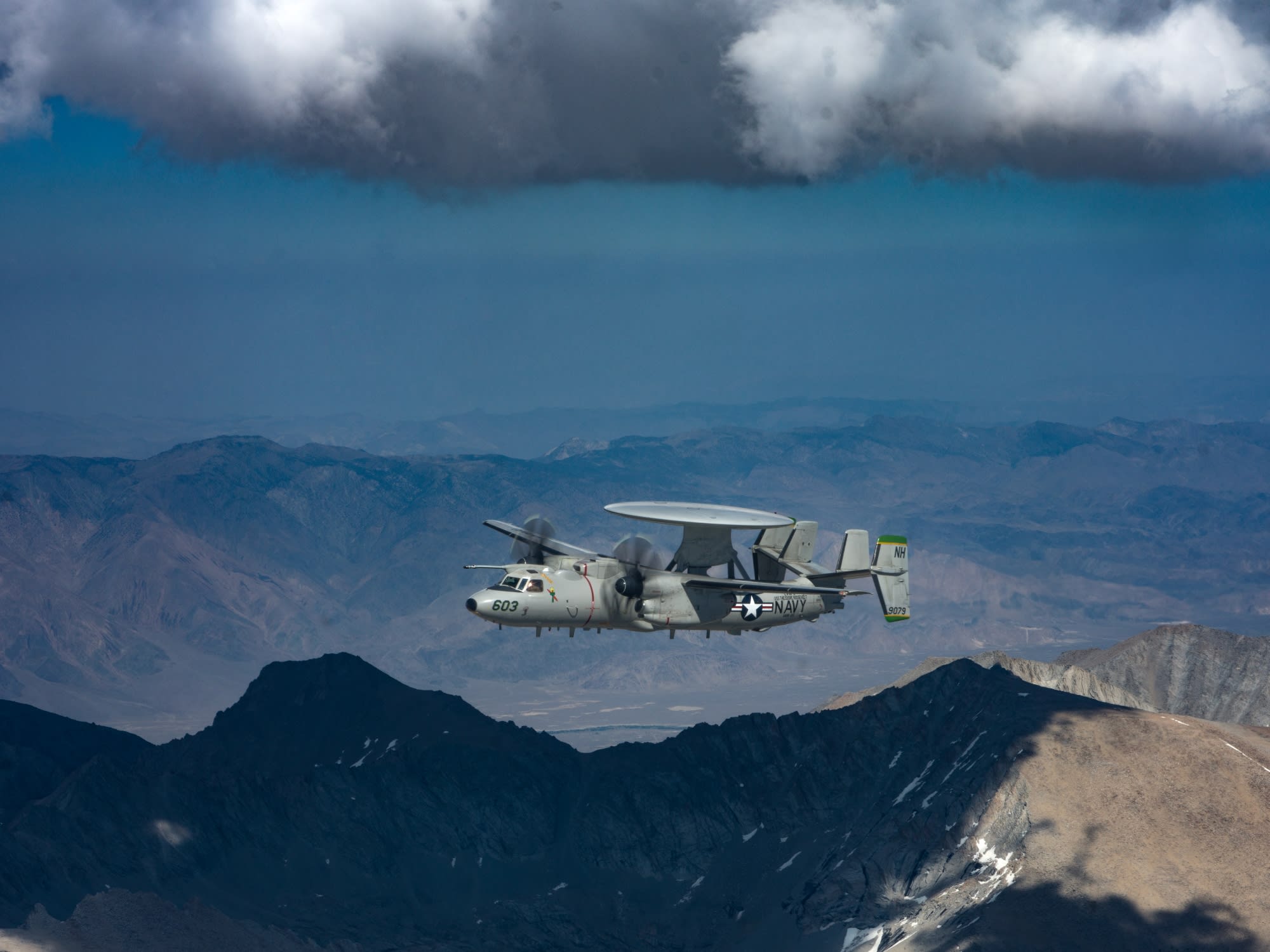
Northrop Grumman is deploying augmented and virtual reality tools to improve training, maintenance, and sustainment for the E-2D Advanced Hawkeye, an airborne command center the U.S. military relies on more heavily than any other aircraft in its inventory.
The AR Deployment: ARMOR
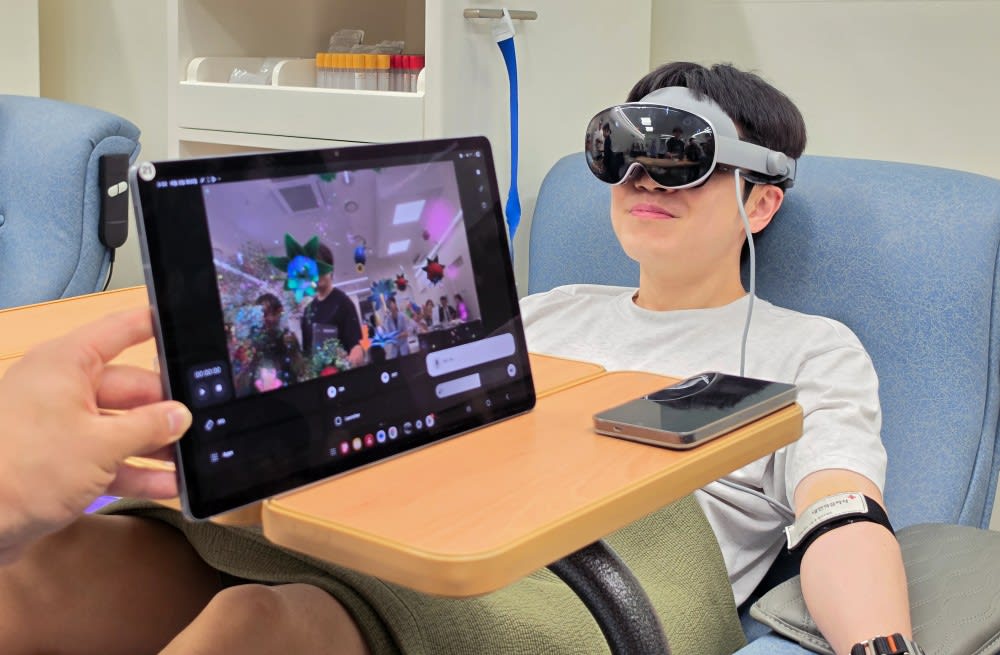
The model-based sustainment team for digital transformation developed ARMOR, a tool combining AR with predictive and fleet analytics. Maintainers access animated, step-by-step visual work instructions through tablets or AR goggles, and can virtually inspect the interior of the aircraft to identify potential trouble spots with greater precision. By compressing the training and labour time each repair requires, the approach can return an aircraft to service in hours rather than weeks.
VR Maintenance Training
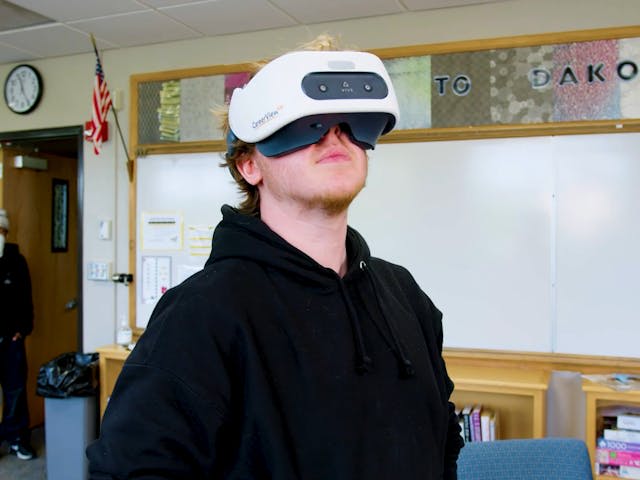
Northrop Grumman also deployed a VR training environment that places maintenance teams in a 360-degree digital simulation. Trainees can interact with aircraft components that are difficult to access or too costly to transport to multiple training locations. Early results show VR training improves task performance and trainees report higher confidence following virtual scenarios.
Outcomes and Scale
The programs are generating measurable results. VR training reduces repair times by up to 75%. A related machine learning tool, LITE (Learning Intelligence Tools Ecosystem) — developed by the E-2D engineering team in Melbourne, Florida together with the data analytics team in Redondo Beach, California — reduced maintenance rework in the radar pressurization and cooling system by 67%, saving weeks of testing.
Northrop Grumman has deployed over 1,000 AR solutions across its programs enterprise-wide, spanning visual work instructions, facility layout planning, and maintenance schedule acceleration. Tools developed for the E-2D are also being applied to the F-35 Lightning II, B-2 Spirit, and other platforms.