

Background
The Royal Malaysian Air Force (RMAF, known locally as TUDM) flies the Russian-built Su-30MKM multirole fighter, a strategic asset worth millions of ringgit per airframe. Hands-on maintenance training has traditionally meant working on a real jet, where a minor slip by a trainee technician can cause technical damage that is costly to repair and takes an aircraft out of service.
The deployment
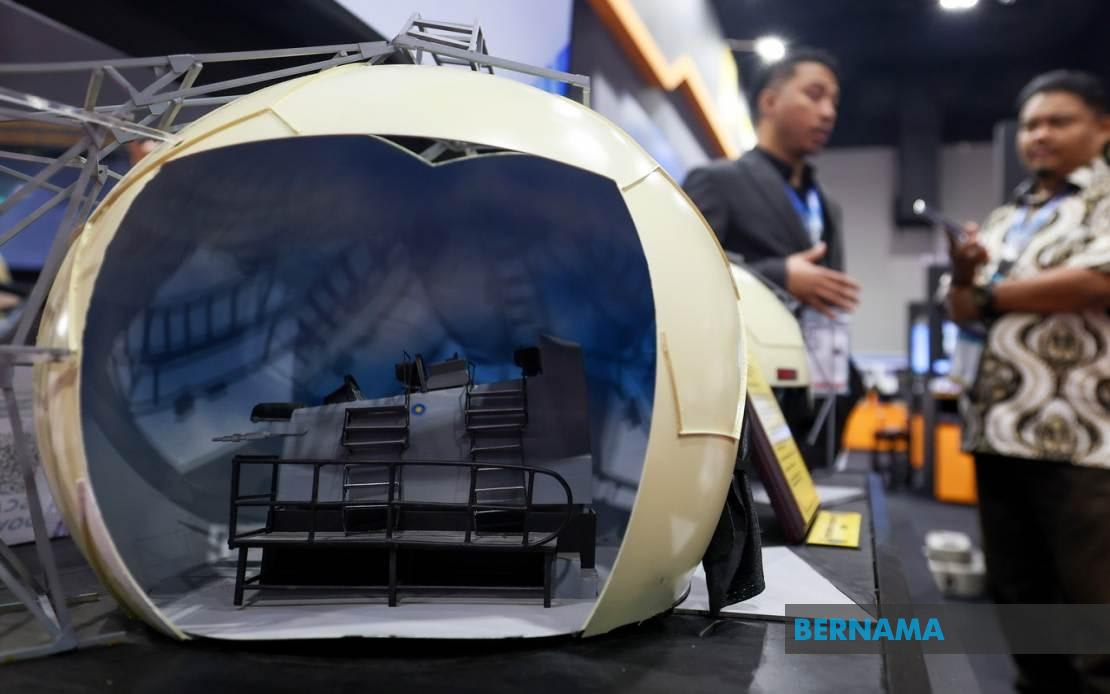
Malaysian defence contractor HeiTech Defence System developed the Simulator Integrated Maintenance Aircraft System (SIMAS) so that RMAF technical personnel can complete practical training without involving an operational aircraft. SIMAS provides 70 technical virtual reality training modules covering critical Su-30MKM tasks, among them engine maintenance and tyre replacement. Technicians rehearse each procedure in a virtual environment, where an error costs nothing and cannot compromise a front-line asset.
The company presented the system publicly at the Defence Services Asia (DSA) and NatSec Asia 2026 exhibition at MITEC in Kuala Lumpur in April 2026, positioning VR maintenance training as a new benchmark for reducing the risk of damage to national defence assets.
Part of a wider training ecosystem
SIMAS sits within HeiTech's broader digital training portfolio for the Sukhoi fleet. Separately from the VR maintenance modules, the company runs a simulation centre for Su-30MKM operational training at RMAF Gong Kedak air base in Terengganu, which it describes as the only facility of its kind in Asia. That centre, unveiled in 2011, houses two simulator sets capable of networked mission training that reproduces real flight environments and scenarios; HeiTech has reverse-engineered physical simulator components such as the cockpit unit and joystick to a 1:1 match with the aircraft. The ecosystem also includes a war simulation game that analyses speed profiles, radar capability and weapons systems using topographic data supplied by the Department of Survey and Mapping Malaysia (JUPEM).
Track record and regional interest
HeiTech reports that it has kept the Sukhoi squadron's simulators at full readiness with no downtime since 2010, and presents that record as evidence that Malaysian engineers can sustain advanced simulation systems in-country. On the strength of it, the company is providing consultancy services to Brunei and exploring a strategic collaboration in Indonesia to extend Malaysian simulation training technology across the region.

