

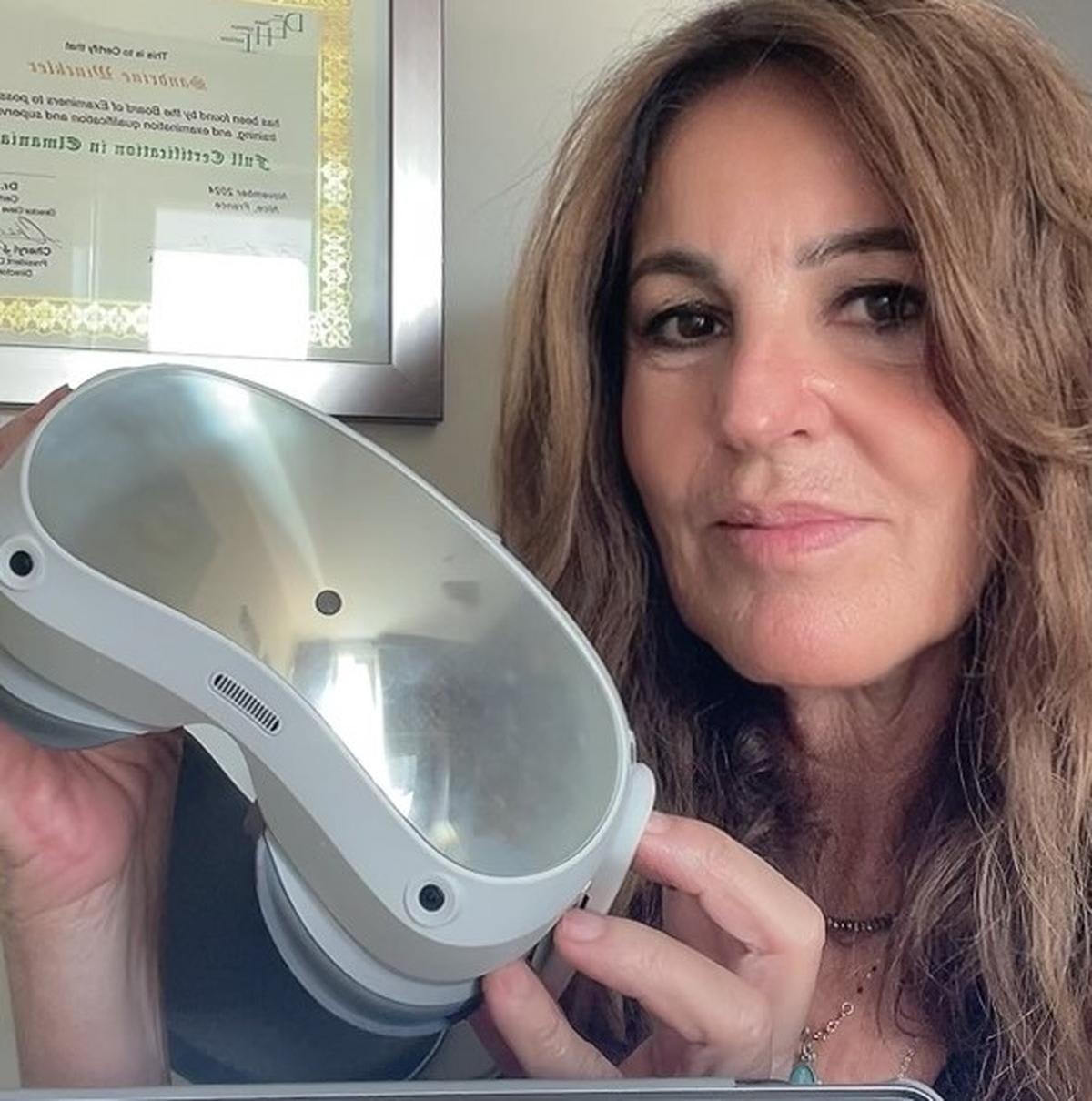
Sandrine Winckler, a certified hypnotherapist in Royan, France, uses a virtual reality headset in her practice to help patients who are afraid of undergoing MRI examinations. She has invested in a headset that she rents from C2Care, a French start-up specialising in digital health and VR exposure therapy.
How the sessions work
Winckler describes the headset as tricking the brain into believing it is in a three-dimensional environment, which allows progressive, tightly controlled and safe exposure to the triggers of anxiety. She says the method fits within cognitive behavioural therapy. The aim is for the brain to register the situation as familiar and without risk, rather than perceiving the confinement of a scanner as a threat. The patient knows the danger is not real, keeps full control and can remove the headset at any time if overwhelmed.
Scope and context
- Winckler says she regularly meets people who put off or avoid MRI scans because of this fear, and she applies the method to reduce apprehension about the examination.
- She has made local radiologists aware that this solution exists.
- She says comparable exposure approaches exist for fears of flying or of taking a lift.
- Her online booking profile lists virtual reality as one of three signature sessions, alongside hypnosis and EMDR, in a phobia therapy course.


