


Background
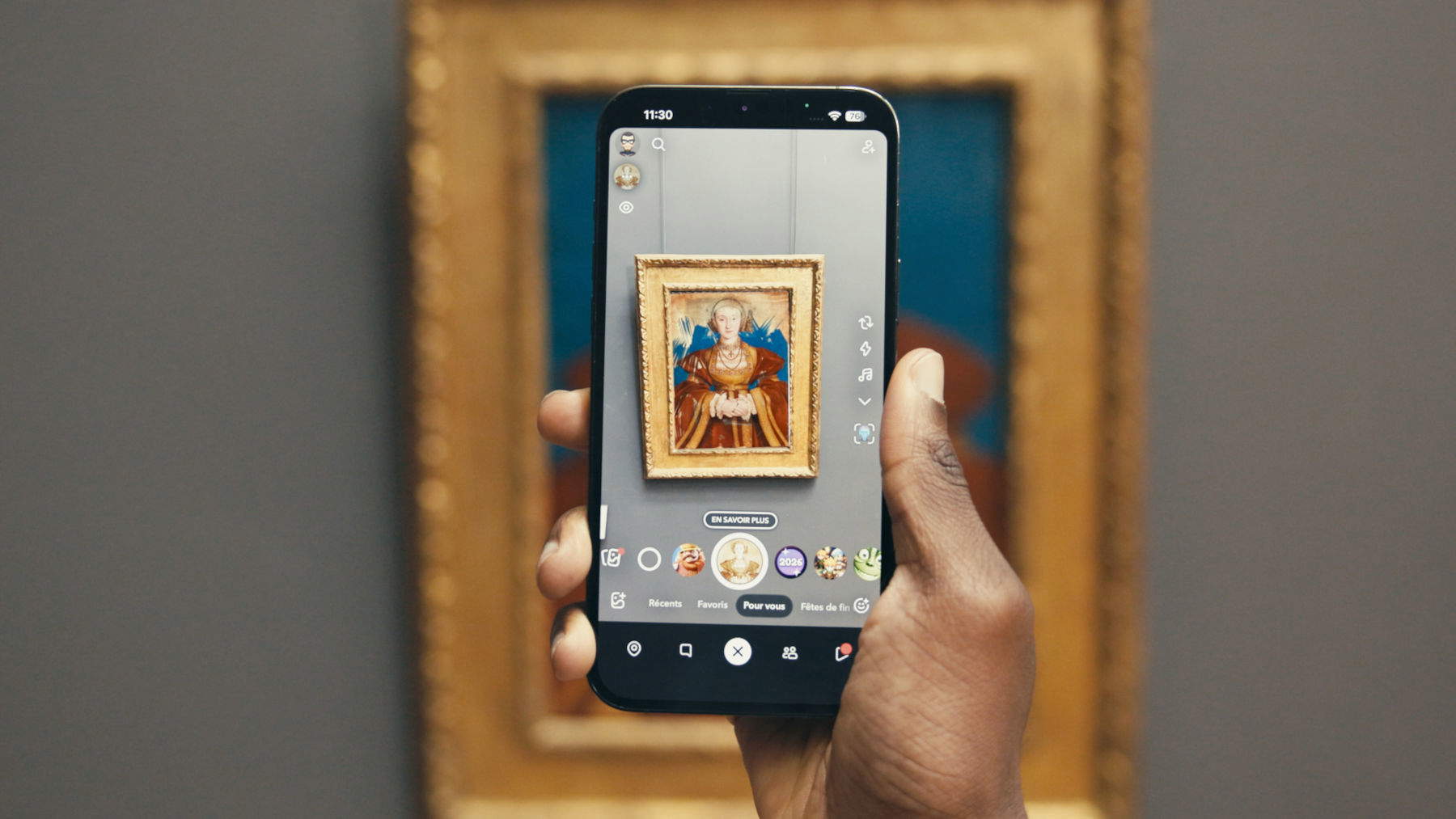
On 18 February 2026, the Musée du Louvre launched The Incredible Unknowns of the Louvre, a free augmented reality experience that lets visitors explore six works from the permanent collections through digital content viewed on their own smartphones. The project extends a pilot first run in 2023 that was dedicated to Ancient Egyptian artworks, broadening AR across departments and into the wider museum itinerary.
How it works
Visitors scan a QR code printed on the label of a selected work, which opens the experience inside the Snapchat app. From there they can view digital reconstructions, animations and explanatory content that reveal formal details, original materials and colours lost over the centuries, alongside context on the artistic techniques and history behind each piece. The experiences were designed by Snap's Paris-based AR Studio in collaboration with Louvre curators, drawing on archival materials and scholarly references.
The six works
- Code of Hammurabi — AR decodes the cuneiform legal text, including the "eye for an eye" principle.
- Bust of Akhenaten — a digital reconstruction restores the sculpture's original forms and colours.
- Portrait of Anne of Cleves by Hans Holbein the Younger — AR surfaces painting technique and hidden iconographic detail.
- Kore of Samos — a simulation returns the marble statue's polychromy from some 2,500 years ago.
- Four Captives by Martin Desjardins — the bronze figures are visualised in their original monumental arrangement.
- Rustic Figulines by Bernard Palissy — modelled snakes, lizards, turtles and frogs are animated on the basin's surface.
Beyond the museum
The experience reaches beyond the galleries: Snapchat users worldwide can access it through the Lenses carousel or by scanning banners installed near the Louvre. This expanded version features animated marble blocks and an interactive tour that reveals the works in three dimensions and indicates where they sit across the museum's departments. Additional in-depth material is published on louvre.fr to complement the on-site visit.


