

Background
Renault Trucks, the Lyon-based manufacturer of industrial vehicles, has integrated immersive simulation into its engineering processes for more than two decades. Located in Saint-Priest near Lyon, the company's advanced visualization laboratory has long served as a proving ground for design and ergonomics validation ahead of physical prototype builds.
The Deployment
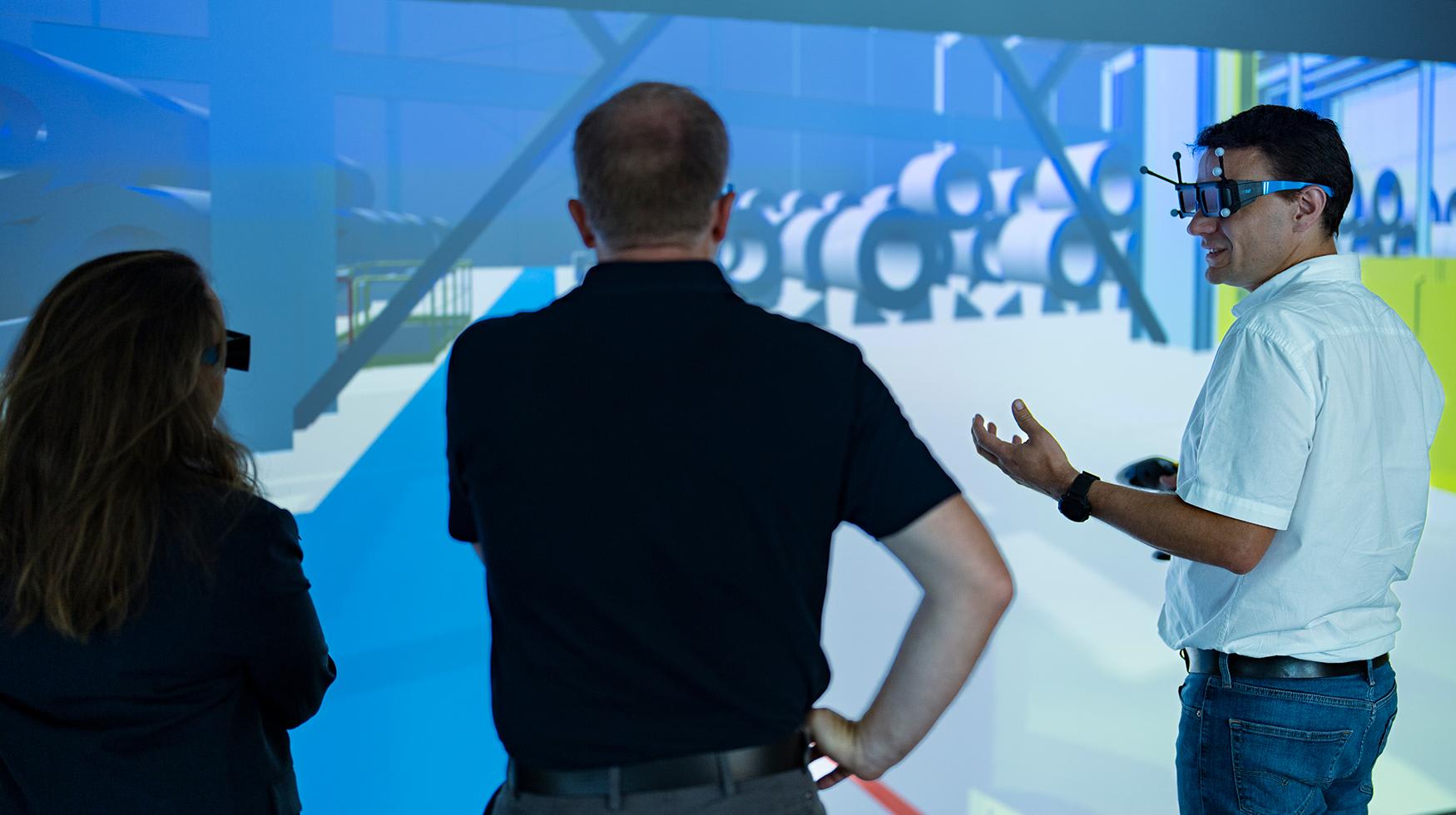
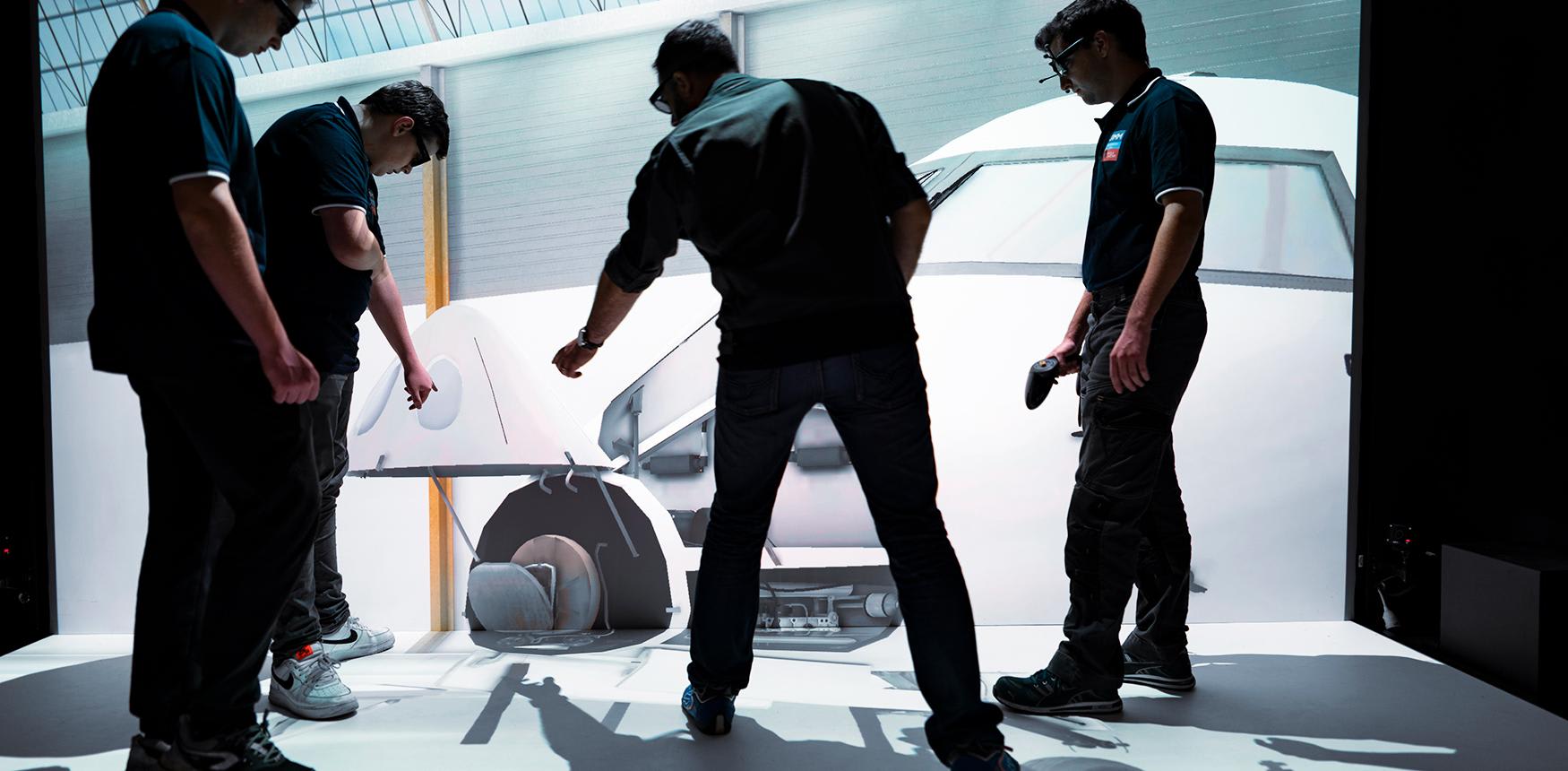
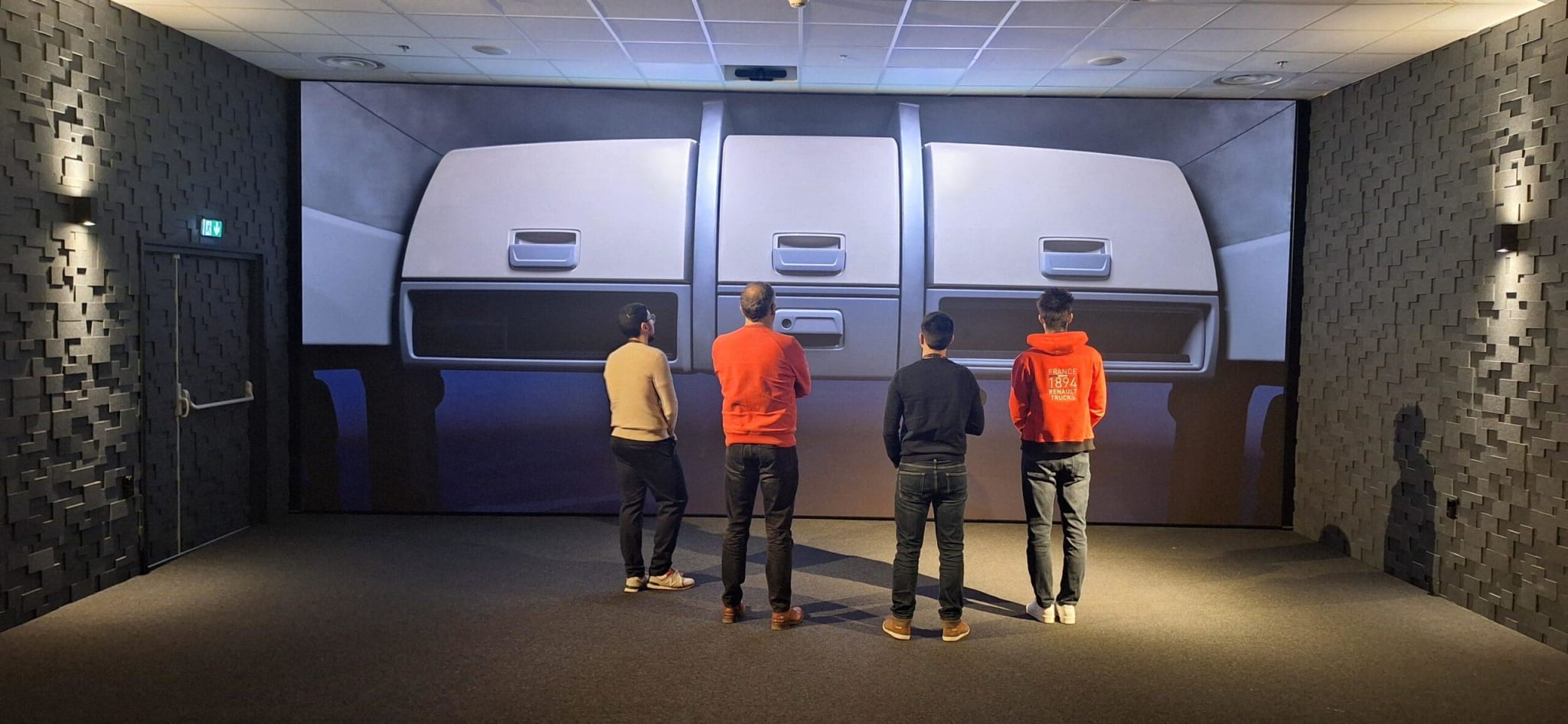
The centrepiece of the facility is a stereoscopic LED Powerwall capable of displaying vehicles at true 1:1 scale, recently renovated and upgraded by technology integrator Immersion. The system enables collective immersion for up to 12 engineers simultaneously without headsets, making it well-suited to multi-disciplinary design reviews and collaborative decision-making. A separate VR headset platform supplements the Powerwall for individual immersive sessions.
The LED wall uses high-resolution LED technology with advanced brightness and colour-space management. A real-time 3D visualization tool renders physically accurate material and lighting simulations, allowing teams to evaluate headlight performance, interior lighting ergonomics, and surface colour and material properties without waiting for real-world test conditions.
Use Cases
The system supports ten documented use cases across engineering and communications functions:
- Game and outcrop reviews: full-scale visualization for cross-discipline technical validation
- Light and lighting simulation: real-time physics-based rendering to test headlight and cabin lighting
- Colour and material evaluation: an unanticipated benefit enabled by the quality of LED rendering, previously exploited only in fashion XR applications
- Cross-functional collaboration: communications and other departments have independently requested access beyond the core engineering use
Outcomes
Renault Trucks reports a correlation study comparing decisions made in front of the Powerwall with those made in front of physical vehicles, with results described as excellent and a scientific publication in preparation. The deployment has reduced the number of physical models required and accelerated design loops, while ensuring ergonomics and perceived quality standards are embedded from the design stage rather than discovered at manufacturing.
Integration
Immersion was selected following a benchmarking exercise involving six manufacturers and four integrators, providing consulting, full technical integration into the Renault Trucks ecosystem, team training, and ongoing support. LED panel technology was supplied by Barco.