

Background
IRISA, the French academic research laboratory for digital science and technology, has operated the Immersia virtual reality CAVE on Rennes' Beaulieu campus since the late 1990s. Co-owned with Inria, the facility is one of the largest immersive VR systems in Europe and supports multimodal research across vision, sound, haptics and brain-computer interfaces. The previous generation was built around 13 lamp-based video projectors arranged across front, left, right and floor screens.
The modernisation
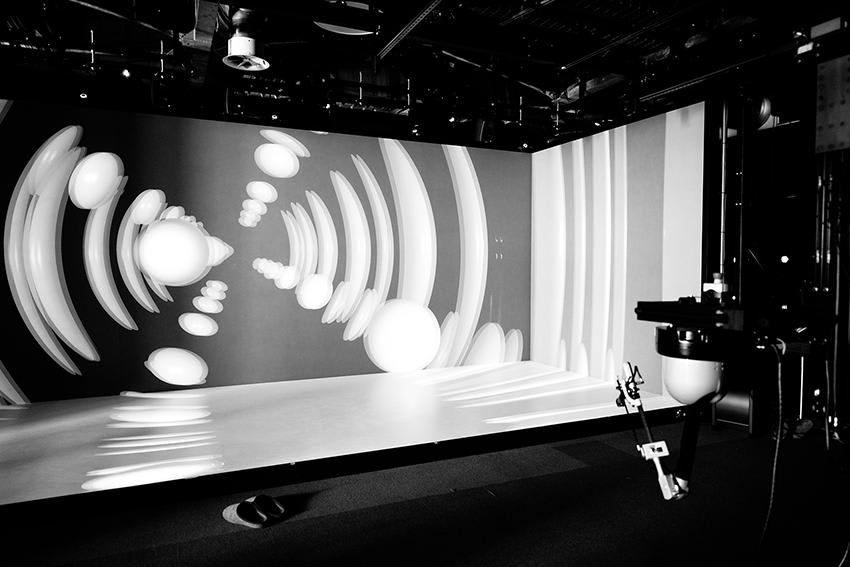
By the early 2020s the lamps had become a bottleneck: they were increasingly rare and expensive to replace, and running costs were high enough that access to the CAVE was being rationed. Responding to a public call for tenders, Immersion was appointed as systems integrator to rebuild the installation around laser-phosphor projection. The existing screens — 9.6m wide, 3.1m high and 2.88m deep — were retained; everything behind them was replaced, including the tracking system and graphics cards.
Hardware and software
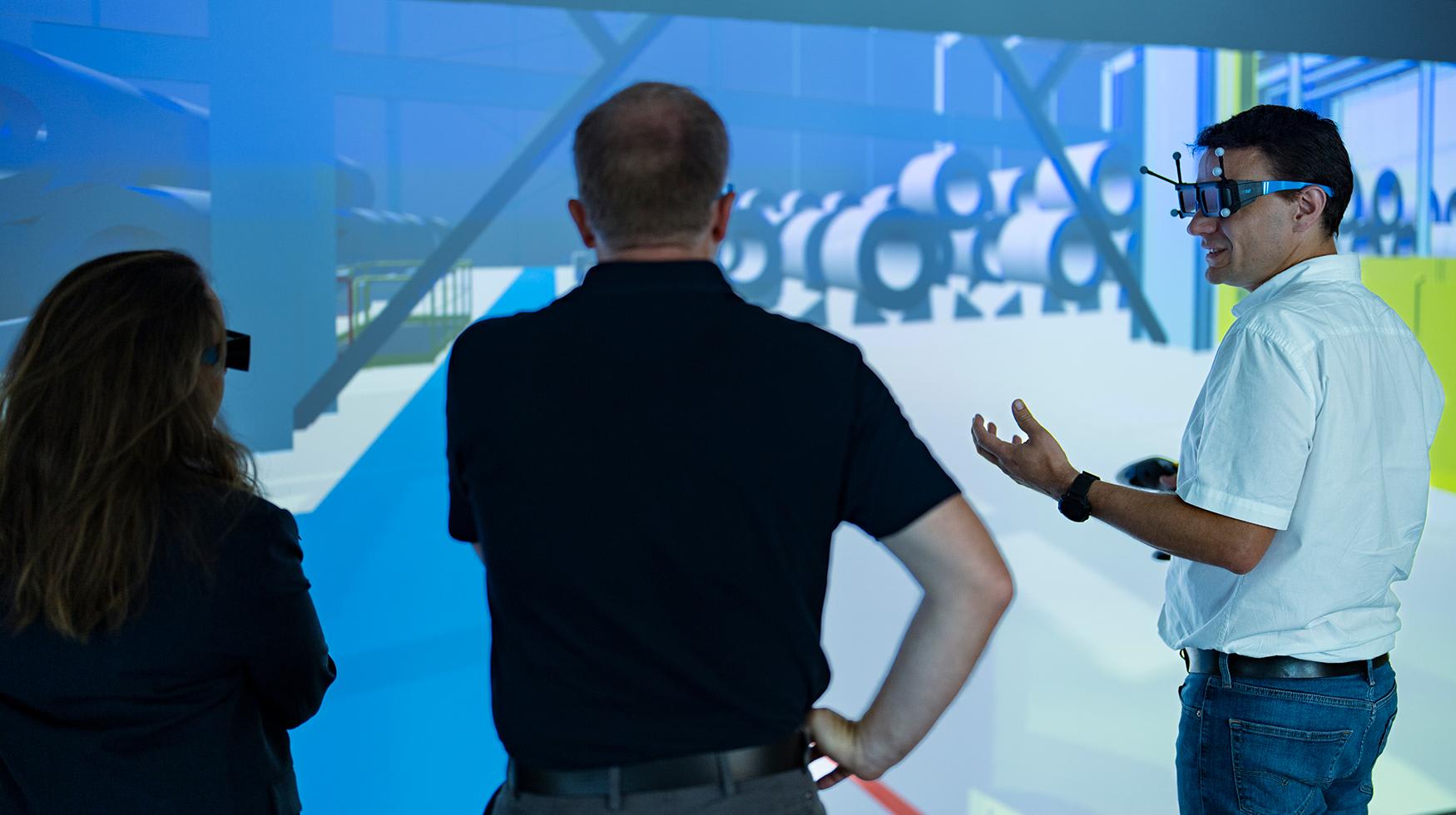
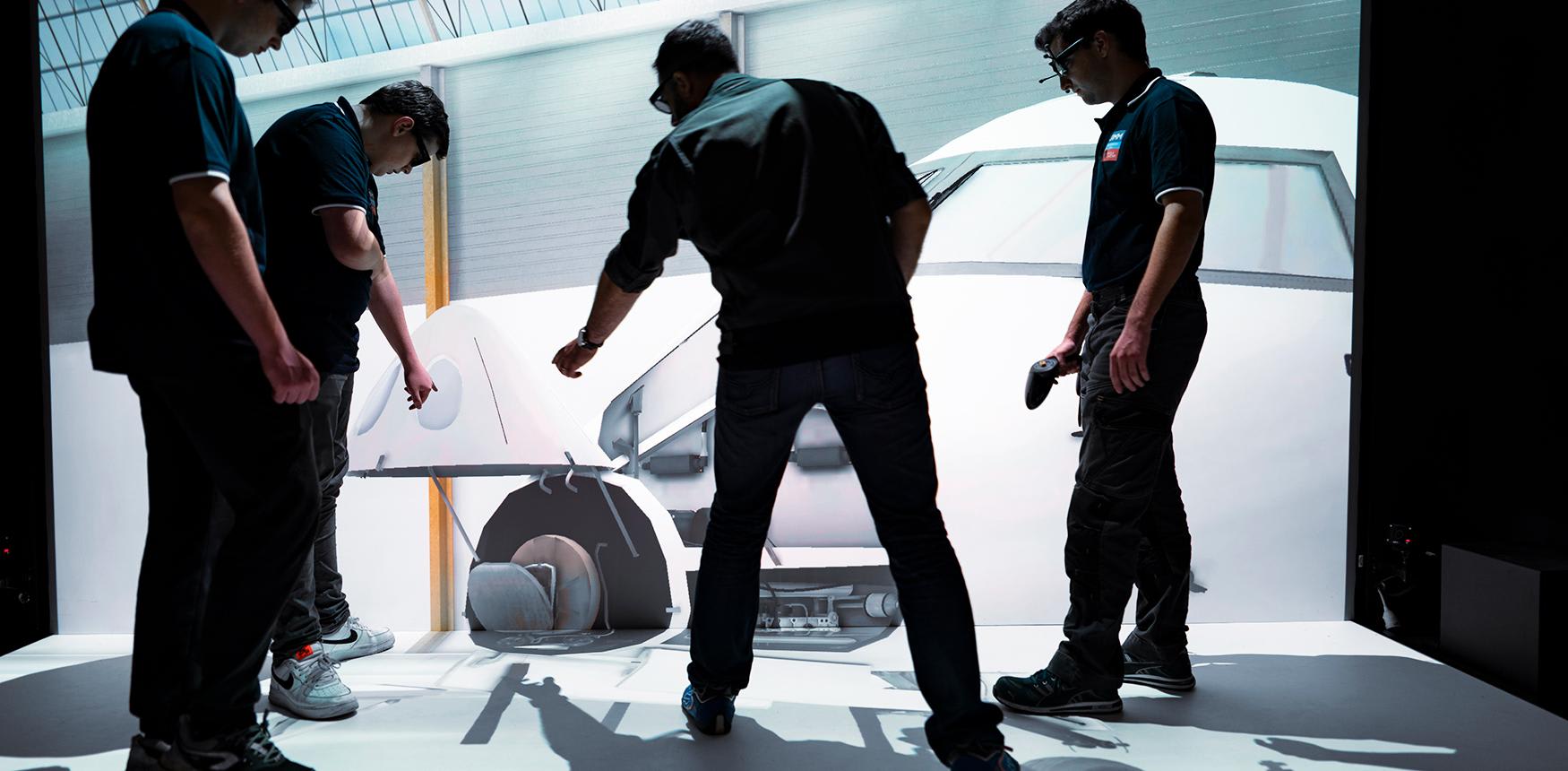
The rebuilt CAVE is driven by fourteen Barco F90-4K13 laser projectors: five for the front screen, five for the floor and two for each lateral screen. They are fed by seven HP Z820 workstations running paired NVIDIA Quadro P6000 GPUs. User tracking uses an ART TrackPack2 system with full-body markers and an ART Flystick 3 controller for six-degrees-of-freedom input. Spatial audio runs through Genelec and Yamaha 5.1/10.2 systems; stereoscopy uses NVIDIA 3D Vision and a Volfoni Active Pro RF setup. Applications are built in Unity 3D and distributed across the projector cluster using MiddleVR.
Outcomes
The pixel count across the 80m² of screen rises from around 20 million under the lamp generation to over 36 million with lasers, alongside brighter projection. Removing the bulb replacement cycle cuts maintenance, and the lower marginal running cost means the CAVE can be run on demand rather than reserved for high-priority sessions. IRISA has since opened access beyond its traditional research user base — extending use to artists and other non-traditional users.