


Deployment
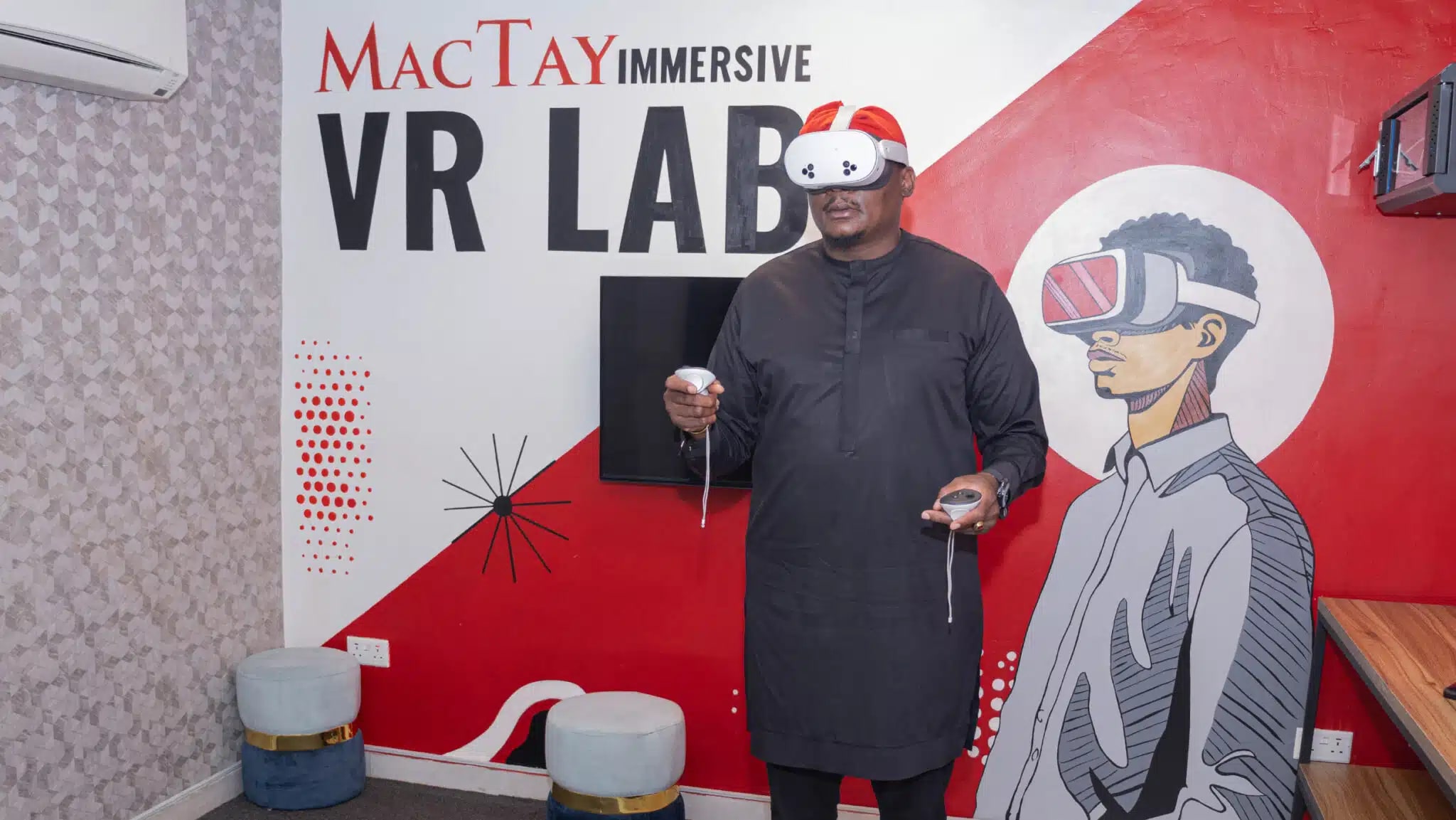
Lagos-based workforce firm MacTay is running ambulance crews through virtual-reality emergency simulations before they respond to incidents in the field. More than 300 ambulance workers across Lagos have completed the program, which is designed to build muscle memory for time-critical decisions that are difficult to rehearse safely in the physical world.
Why VR
Live emergency drills in Nigeria are expensive, logistically heavy, and cannot be repeated on demand. By shifting a core portion of skills practice into VR, MacTay can loop trainees through consistent, high-pressure scenarios as many times as needed — without tying up ambulances, actors, or real equipment — and standardise what "good" looks like across a large, distributed workforce.
Who's driving it
The initiative is led by Tunde Rotimi, MacTay's Head of Strategy and Innovation, who frames immersive technology as a way to scale hands-on training across sectors where on-the-job learning is hard to systematise.
What's next
MacTay is now extending the same immersive-training model into the education sector, betting that the approach validated with emergency responders can be adapted to classrooms and vocational programs elsewhere in the country.


