


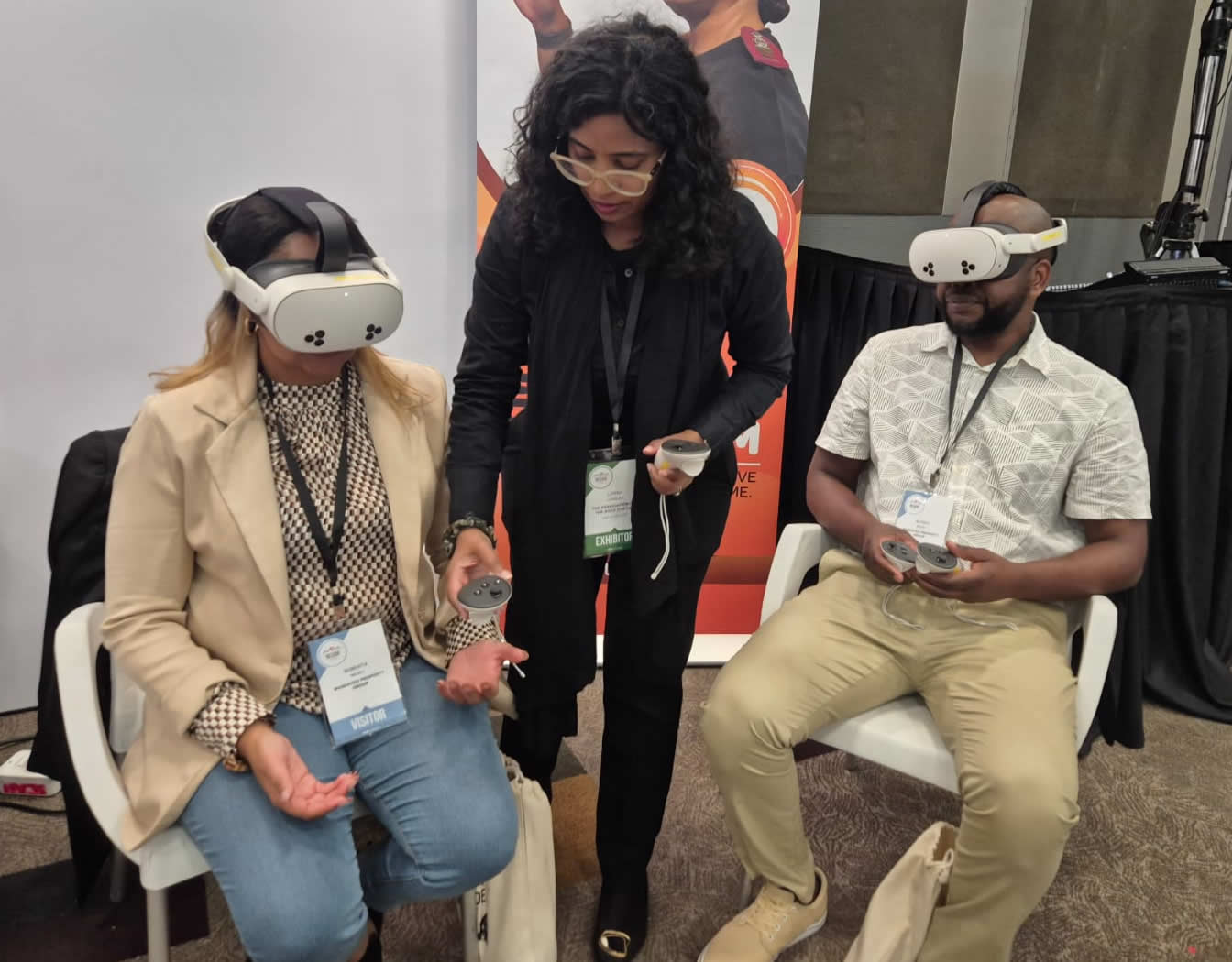
The Association For The Aged (Tafta), a non-profit that runs residential and community elder-care services in Durban, KwaZulu-Natal, has deployed a virtual reality empathy programme it markets as VREP - the Virtual Reality Empathy Platform - to train care staff and to open the experience to outside organisations.
The programme runs on LifeLens, a real-time 3D simulation built by Virtual Reality Empathy Platform Ltd (VR-EP) of Galashiels, Scotland, founded by architect David Burgher. Wearing a headset, participants move through everyday scenes overlaid with adjustable sensory “empathy filters” that reproduce visual impairment and distortion such as glaucoma, hearing and sensory loss, mobility limitation, and cognitive confusion and disorientation, along with the frustration and anxiety these produce. Tafta says the approach is backed by dementia and ageing research from the University of Stirling.
Tafta's own staff have been through the simulation: senior social work manager Melaine Pillay, operations divisional manager Yoshina Kistensamy, nurse Fiona Hlenti and social worker Analisa Naidoo each describe having experienced it. The March 2026 launch reported by The Witness and IOL opened the platform beyond Tafta itself, and Tafta now describes itself as the exclusive South African implementation partner for VREP LifeLens.
Delivery is by Tafta consultants as one-hour corporate licensing demonstrations, four-hour half-day workshops and eight-hour full-day workshops, hosted at Tafta or on site at a client. Participants are asked to remain seated, and sessions are wrapped in a briefing on dementia and a guided reflection afterwards. The intended audience runs well beyond clinical care to architects, designers, property developers, construction firms, HR and training teams, educators and community groups, with corporate innovation licences offered to organisations wanting to run dementia-friendly design testing themselves. Tafta says the programme is facilitated in Durban and has already been presented at conferences and workshops in Johannesburg and Pretoria.
The Witness described the platform as “locally-produced”; Tafta's own material attributes the underlying technology to the United Kingdom.


